
Generative AI is designed to kill all creative marketing work.
That might seem hyperbolic, but if recent events are to go by, it’s the desired endgame for the bean counters and pencil pushers. In their generative utopia, all assets are created by an in-house prompt machine with a bullet-point list of brand guidelines and an infinite supply of Midjourney credits.
That is not the consensus among marketers. The oft-repeated arguments from fence sitters tend to be that “AI won’t replace you, but someone who knows how to use AI will.” They argue that AI is not coming for your job, it is coming for your to-do list, while ignoring the fact that the doing is often what makes the thinking happen in the first place.
What these points have in common is an emphasis on retaining the human layer. When it is producing creative work, whether words, images, music, or video, there needs to be a person between it and the public. So that when AI makes mistakes, which it does often, someone is there catching the errors before they cause real damage.
Naturally, there is a healthy dose of skepticism about this. There is a fear that, in being encouraged to become the handlers of these tools, often by giving over the training data, the rights to our created works, and ultimately the degradation of our skills, we are feeding a monster that will eventually overthrow us.
The history of commerce and art suggests that if there is a way to automate something, to replace an output, then that shortcut will be taken. Creative work in the marketing industry has often been done in spite of the brief, as opposed to because of it.
But, as AI enthusiasts love to point out, marketing work has always been a form of shilling. Is there any difference between Paula Scher producing a logo on a napkin in five minutes for £1.5m and a machine, undoubtedly trained on all of Scher’s (and Rand, and Bass, and Glaser’s) work, doing the same in five seconds?
Despite all the rhetoric and posing about the possibility of replacing humans, all the talking points fell flat over the weekend when the Winter Olympics leant into AI slop as aggressively as a luger into a high-speed turn.
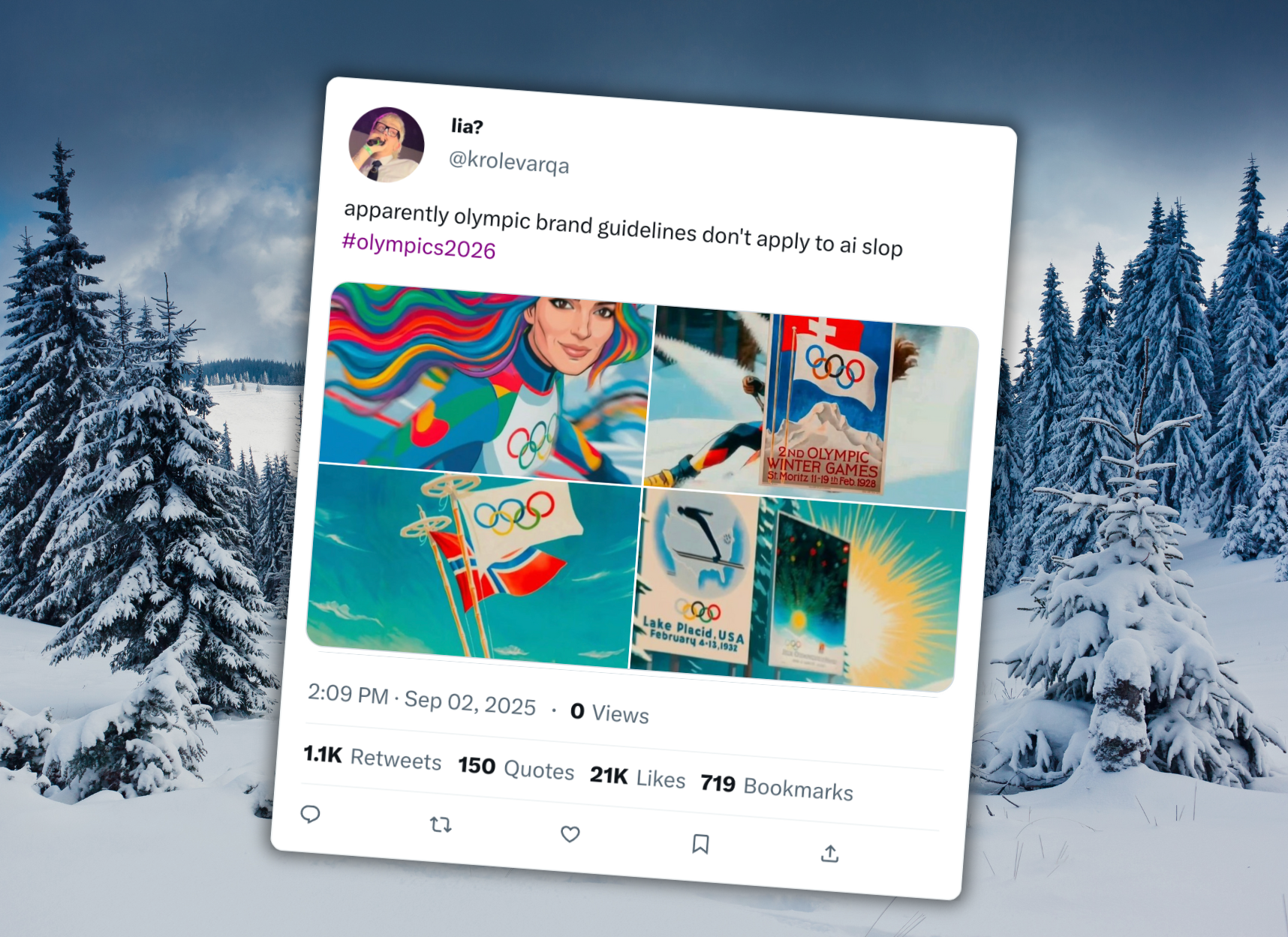
Firstly, there was the opening video, a multicoloured trip through the previous century of Winter Games, drenched in a sickly sweet AI filter and full of continuity errors, from the changing faces of its subjects to the bastardized facsimiles of the original posters. It was largely panned on social media; the work was so clearly slop that it did not even cause anyone to question whether it was produced by human artists in the first place.
Then, there were the posters designed to announce each new event. Featuring miniature athletes posing on top of stereotypical Italian food, the style was clearly inspired by the Quartr announcement works from last year, (which are, it should be noted, often created with Midjourney). But the most troubling part of the process was how it so egregiously ripped off a real artist.
Tanaka Tatsuya is a photographer from Japan. He started posting miniature images every day in 2011, eventually releasing calendars based on his work. He has made thousands of these diminutive dioramas. They are clever and interesting, playing with perspective and making us rethink the everyday objects around us.
Most importantly, it is undeniably human. There are deliberate choices in the items he uses. He forgoes niche, novelty items, even if they could make interesting scenes, preferring recognisable, everyday pieces, so that more people can enjoy his work. Toilet rolls, sponges, and envelopes are transformed into complete scenes with the addition of a well-placed model.
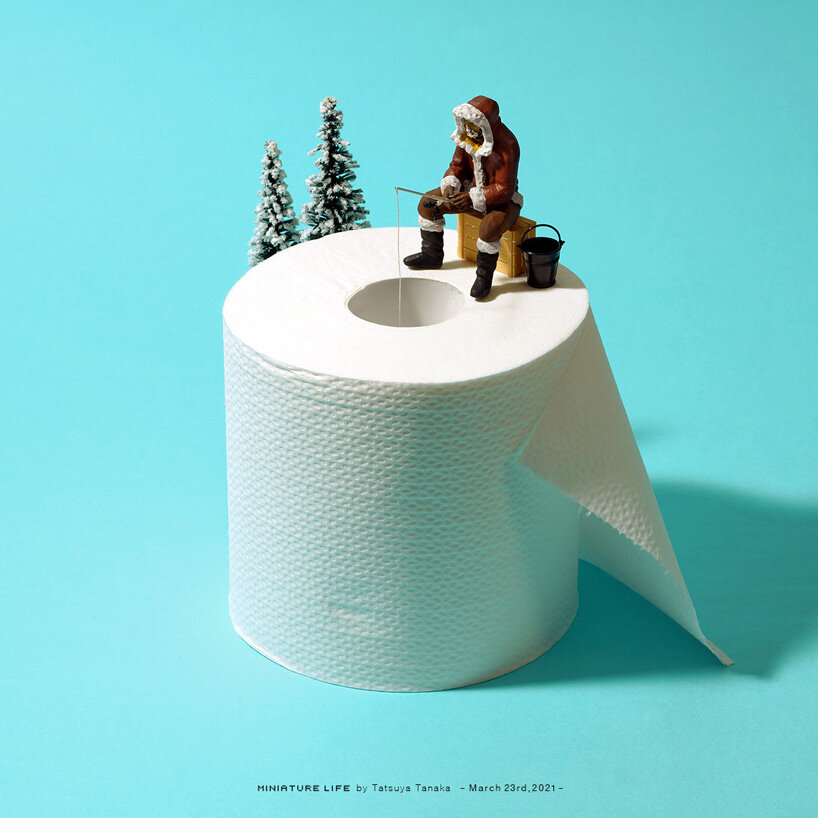
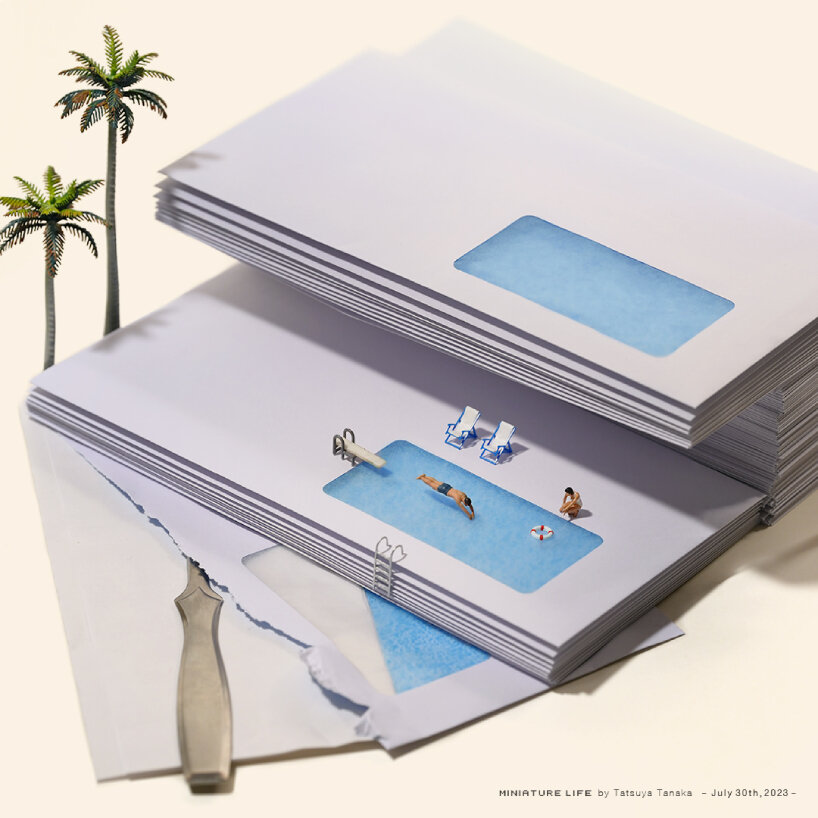
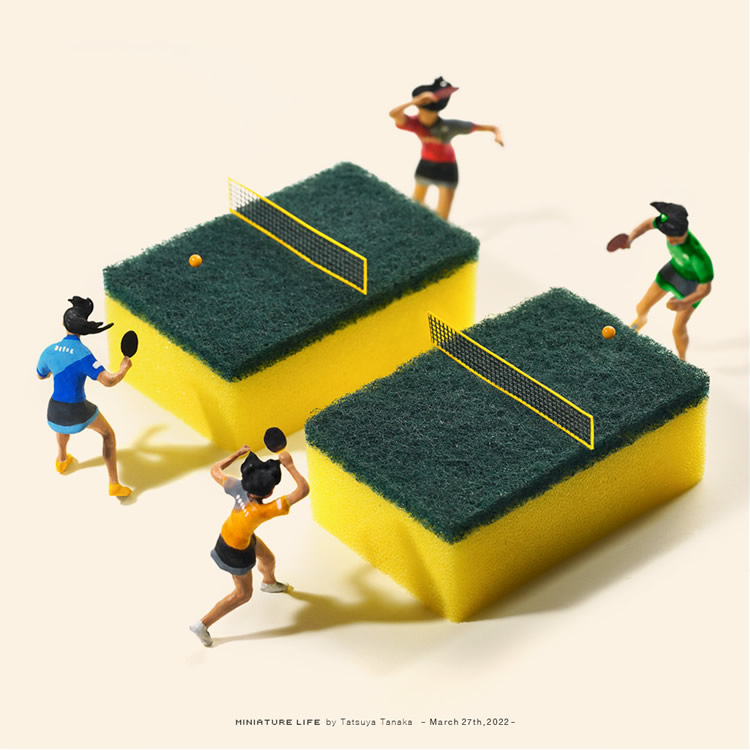
He does this because he wants people, even people who don’t have time to ‘be creative’, to enjoy them and be inspired: “By using these familiar objects, I can generate ideas that resonate with people,” he told Monocle in 2024, “Most adults are so busy living their lives, worrying about work, food and laundry – there’s no time to think about creativity. Seeing these miniatures seems to bring out the inner child in people.”
Then, in its final stage, he relies on the advice of those closest to him to make sure it’s done: “I ask my sons what they think…’If they don’t know what it’s meant to be or their reaction isn’t positive, I’ll think twice before posting it.”
This is what care, craft and thought looks like. The Olympic equivalents couldn’t get the alignment right, failed with their approach to scale, and even forgot to add skis to biathlon.
Because it’s not about making something considered, interesting or clever. It’s about making something cheaply, quickly and to order. Something in the style of Tanaka Tatsuya, but without any of the substance.
And it proved two things are true with AI:
1. The product is bad.
2. When it’s passable, it’s plagiarism.
Most importantly, it revealed that AI evangelists don’t care about the human layer. Because it was never applied here, on one of the biggest platforms of all.
If a real designer, or anyone with taste, had been invited into the approval process for the video, or the figurines, or the posters made to tell the story of the Games, they would have noticed what hundreds of thousands of X users picked up on immediately. That they are not very good, they are rip-offs of a famous artist’s style, and they contravene the brand guidelines of the very organisation posting them.
And the IOC have historically been very strict about plagiarism or unlicensed association. They’ve sued companies for unauthorised use, punished athletes for promoting personal sponsors during the Games, and has been notoriously litigious with brands, including unsuccessfully suing Audi over its logo similarity in 1995.
Sadly, aggressive enforcements weren’t about protecting the aesthetic purity of the games. Maybe the Olympics’ rich design history is out of luck rather than judgment.
Which is a shame, as the logos are some of the most iconic parts of the Olympics, whether the stark simplicity of Tokyo 1964, the undeniable Americanness of Los Angeles 1984, or the divisive abstract interpretation of London 2012. Even as recently as Paris 2024, they commissioned French illustrator Ugo Gattoni to create a monster Où est Charlie?-style poster for the Games.
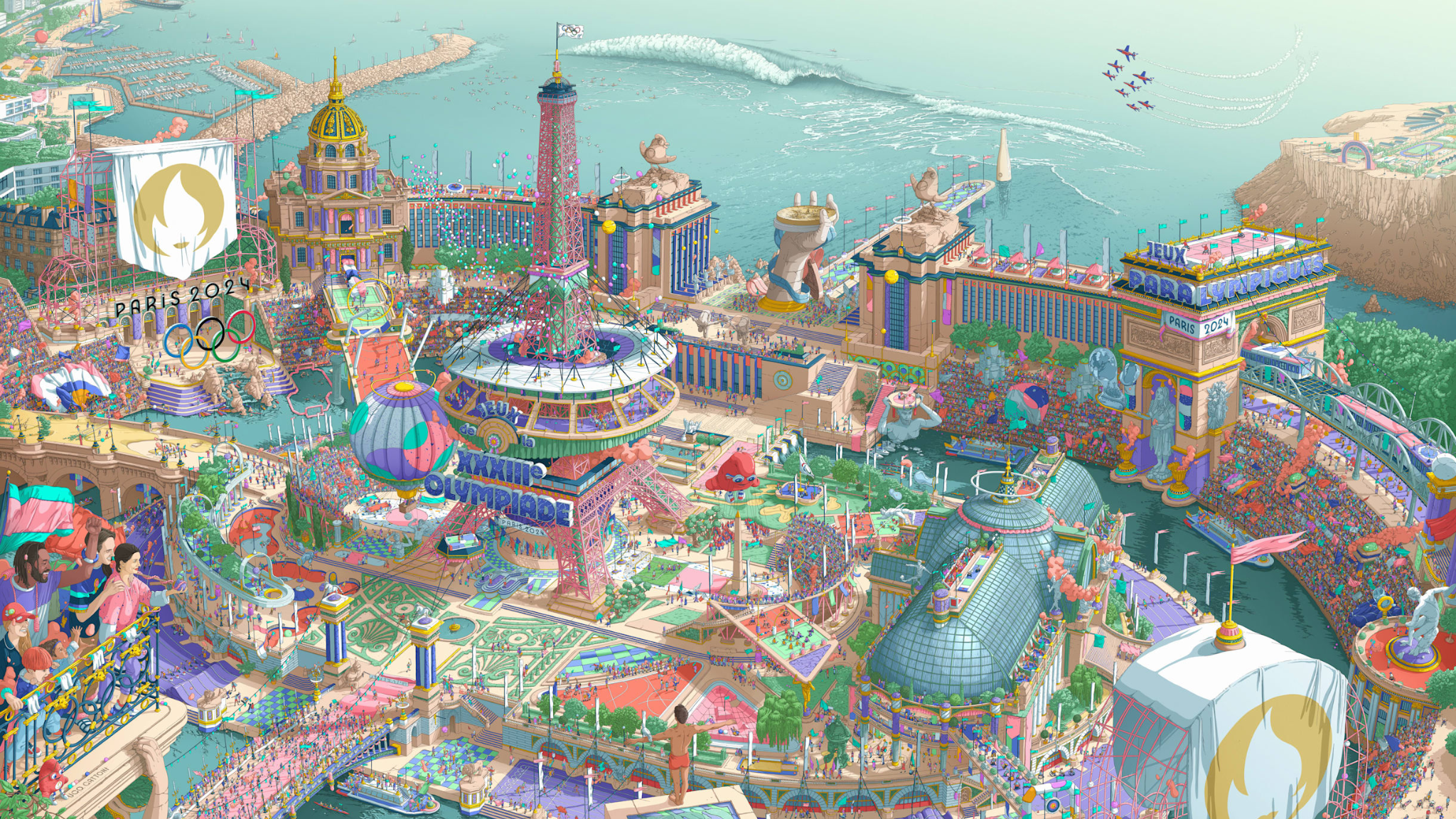
The design marks, the posters, the pictograms, the typography, the social cards, the broadcast graphics, the title screens, the tickets, the mascots, the merchandise, the medals, and the opening ceremony visuals, all of it is an identity that is the collected effort of some of the brightest design minds who are given the rarest and biggest of opportunities.
(But considering how many of them capture the zeitgeist and feeling of their respective eras, perhaps it is appropriate that the 2026 edition has used slop.)
The earliest Games were so entwined with art that they awarded medals for architecture, literature, music, painting, and sculpture.
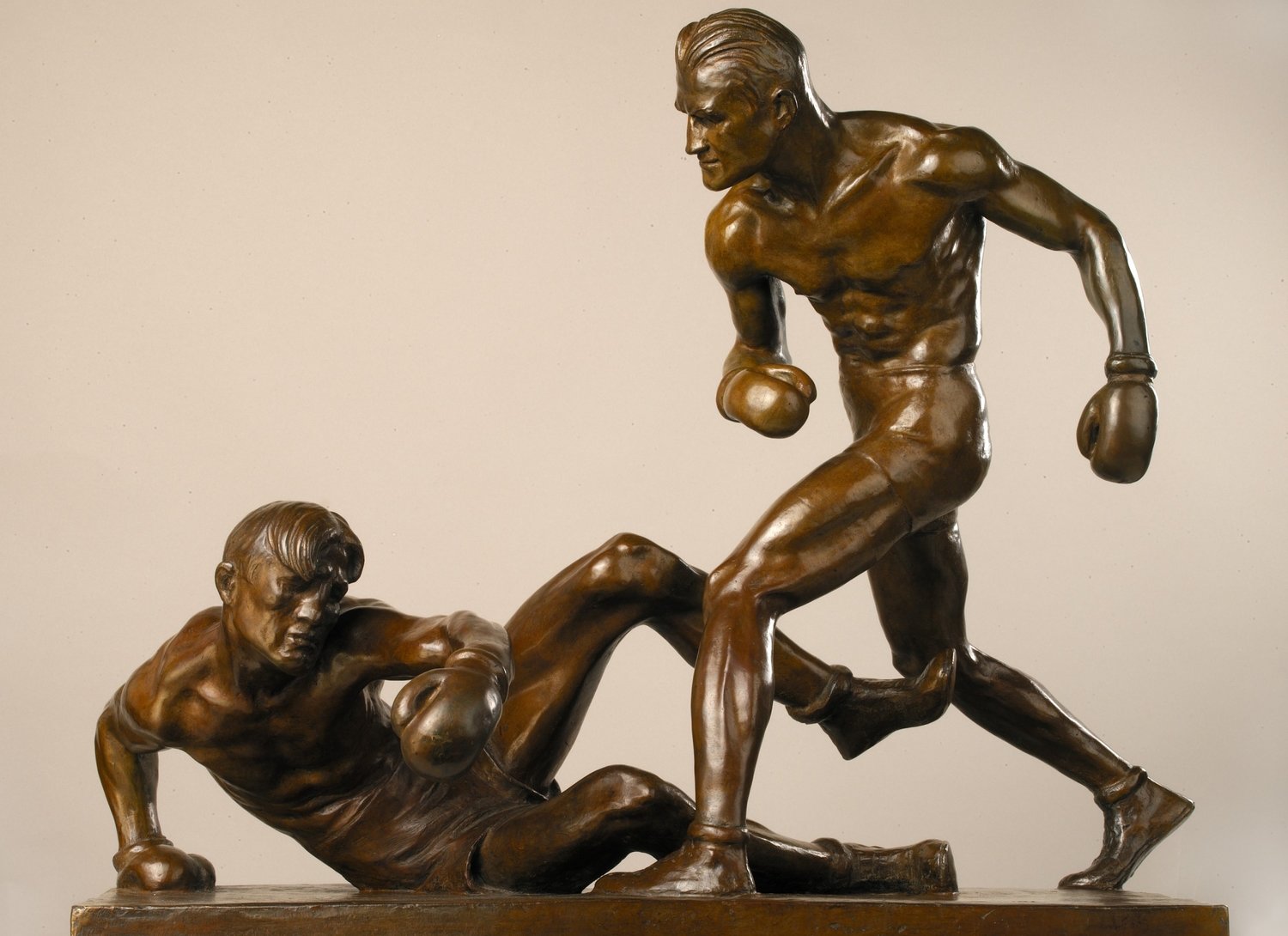
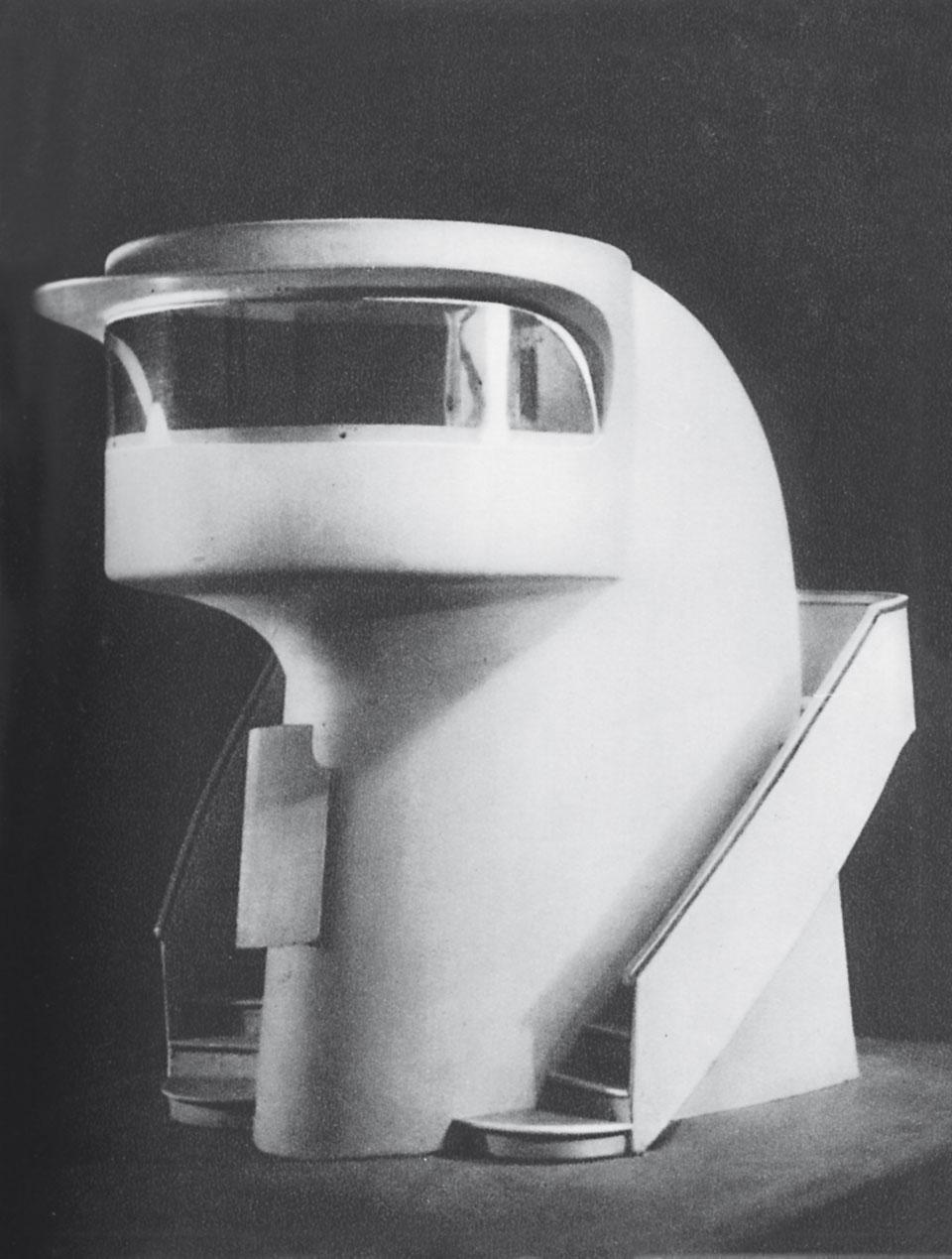
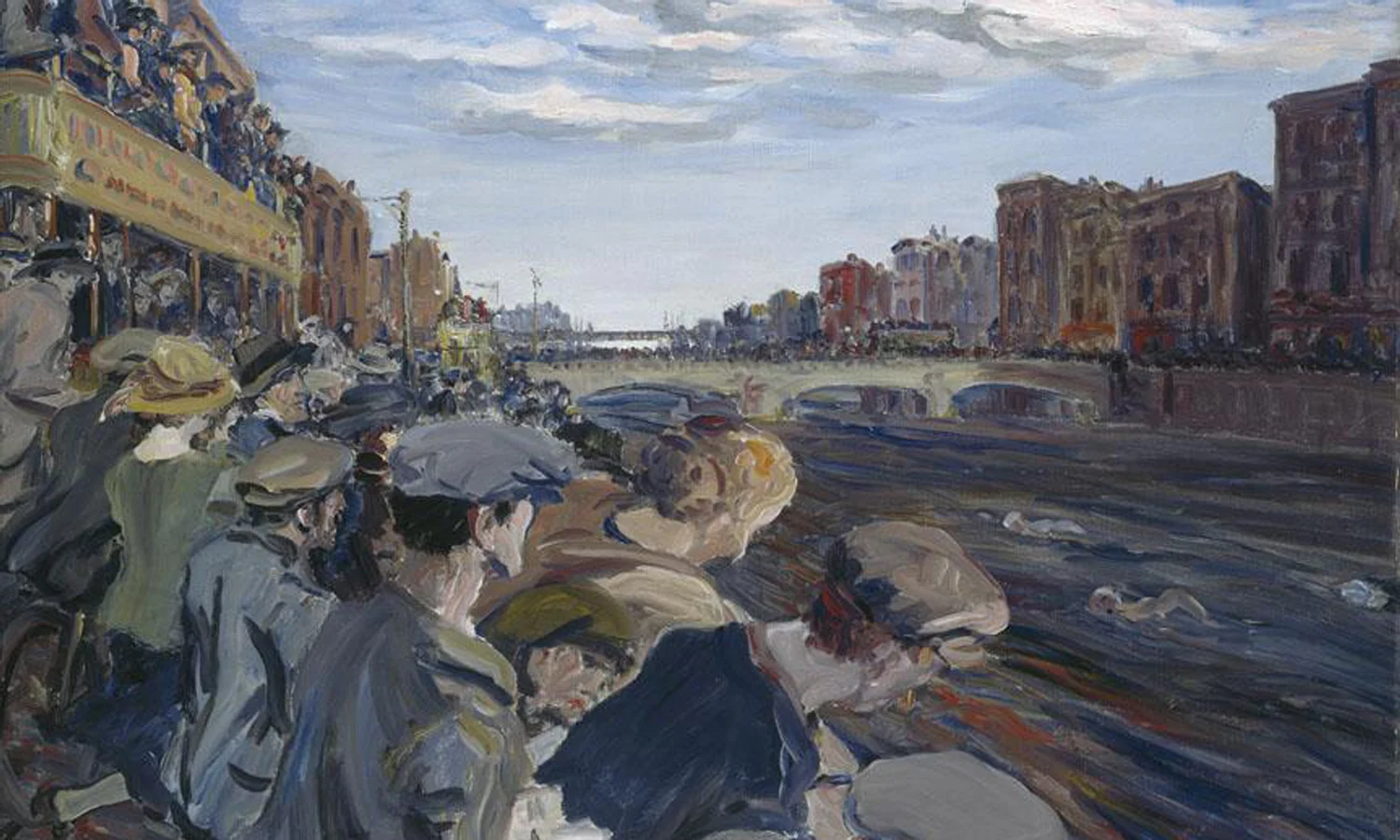
This art and sport hybrid was at the insistence of Pierre de Coubertin, the founder of the modern games, who said:
“Sport should be seen as a source and a reason for art. And art should be linked with practicing sports. It produces beauty because it creates the athlete, who is a living sculpture”.
The modern Games have strayed far from their original mission, which in many cases has been an improvement. If the Olympics, the ultimate example of human achievement, has a responsibility as the custodian of the aesthetic of athletics, then its latest work in Milan has failed in its duty. Worst of all, it has provided a template for future events to legitimize, and likely use, more slop in its official work.
For his part, Tatsuya has responded by producing his own, better, Olympic scenes:
To support Tanaka Tatsuya’s work, visit his official shop and his Instagram.