Quantifying the global rise of AI slop on YouTube for a video editing tool

What we did

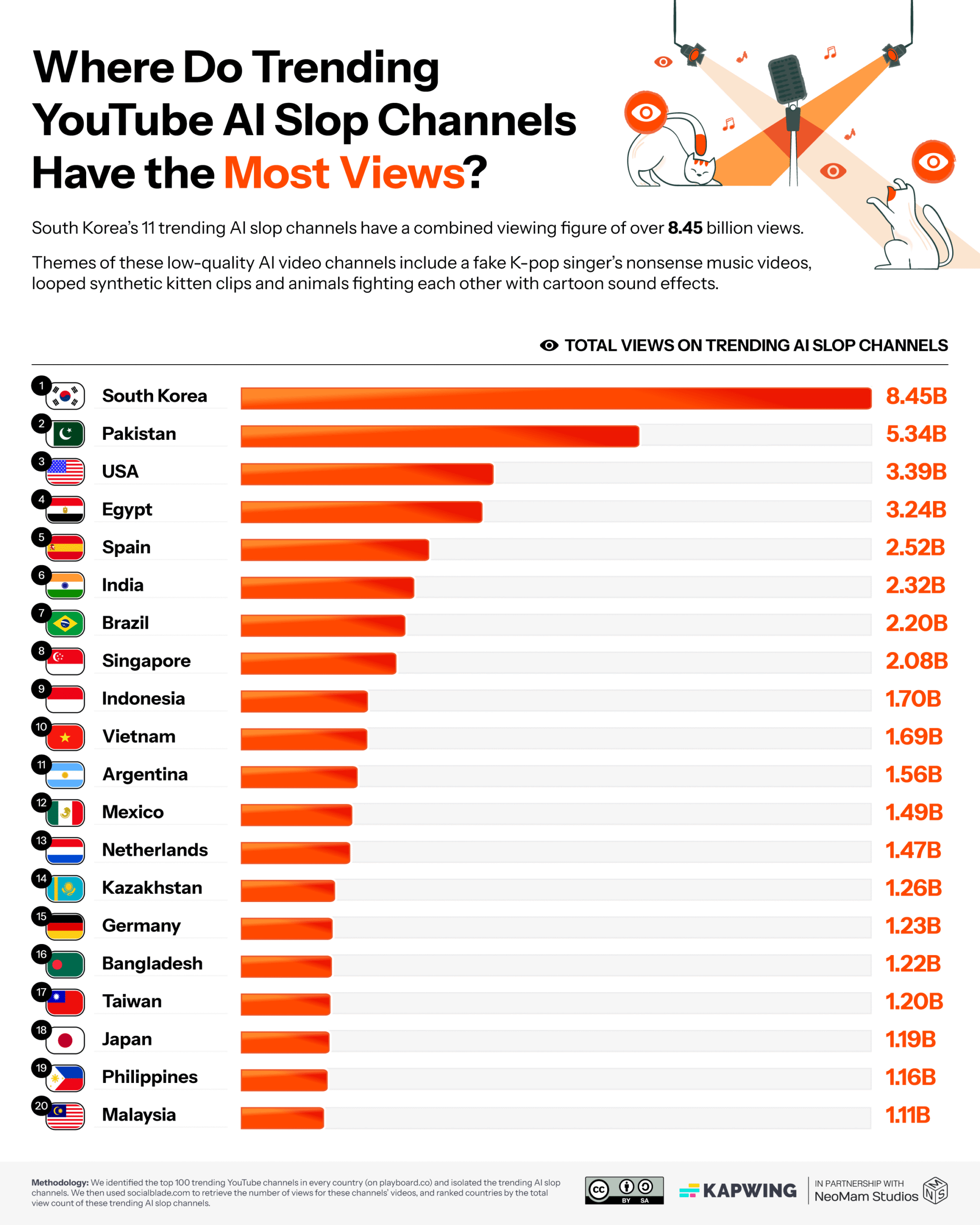
For a client in the image and video editing space, we analyzed the prevalence, metrics and revenue of AI slop YouTube channels in every country. We also created a brand new YouTube account to manually record the number of AI slop videos new users are served when browsing YouTube Shorts.
How we did it
Step 1: Data collection
We manually researched the top 100 trending YouTube channels in every country (on playboard.co) to isolate the AI slop channels.
Step 2: Data analysis and ranking
We then used socialblade.com to retrieve the number of views, subscribers and estimated yearly revenue for these channels – and then aggregated these figures for each country's AI slop channels to get an idea of their popularity.
Step 3: New user experiment
Finally, we simulated the experience of an untainted YouTube Shorts algorithm by establishing a new YouTube account and noting the occurrence of AI slop or brainrot videos among the first 500 videos in the feed.
The results

639
Unique Referring Domains

62
Average Domain Rating

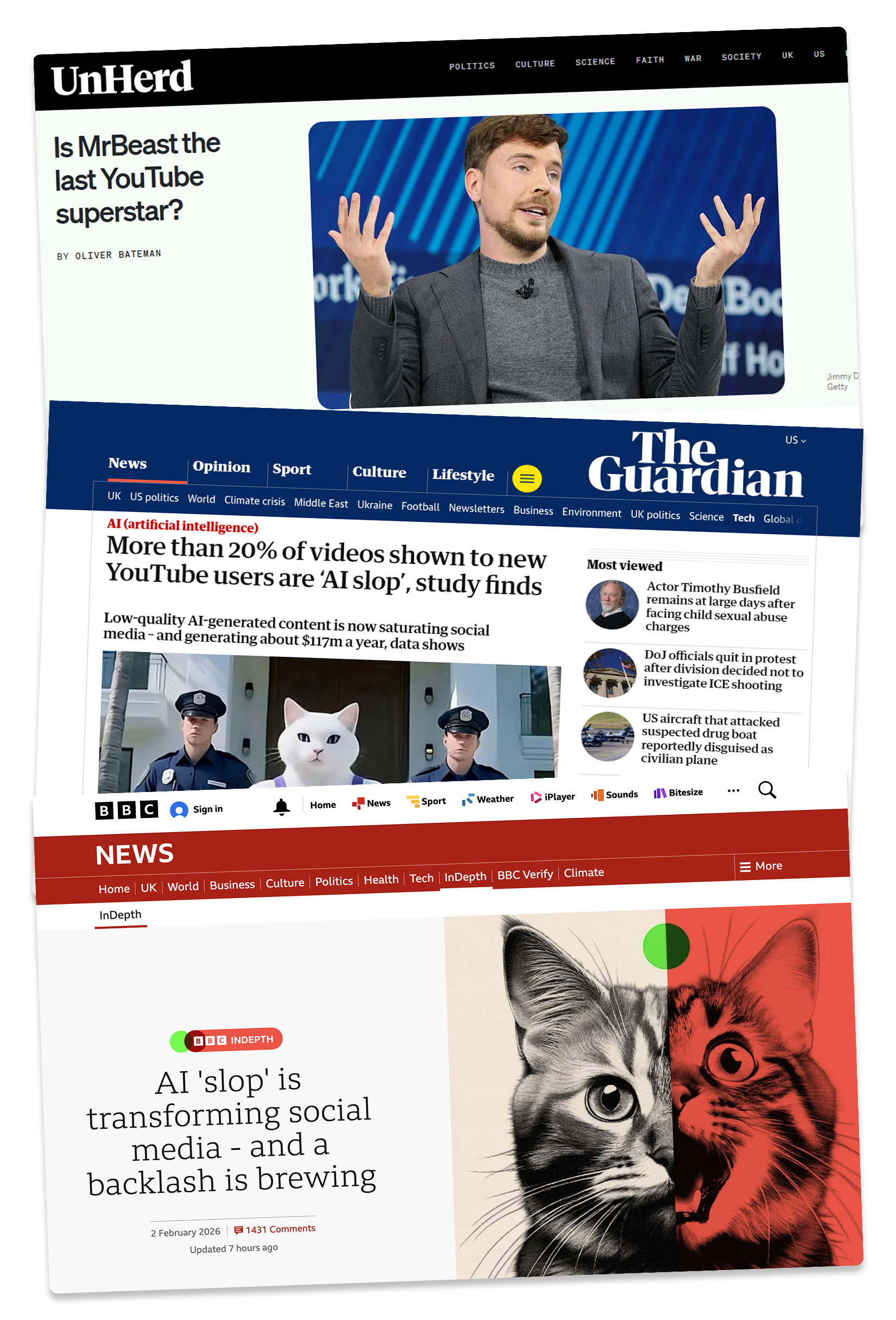
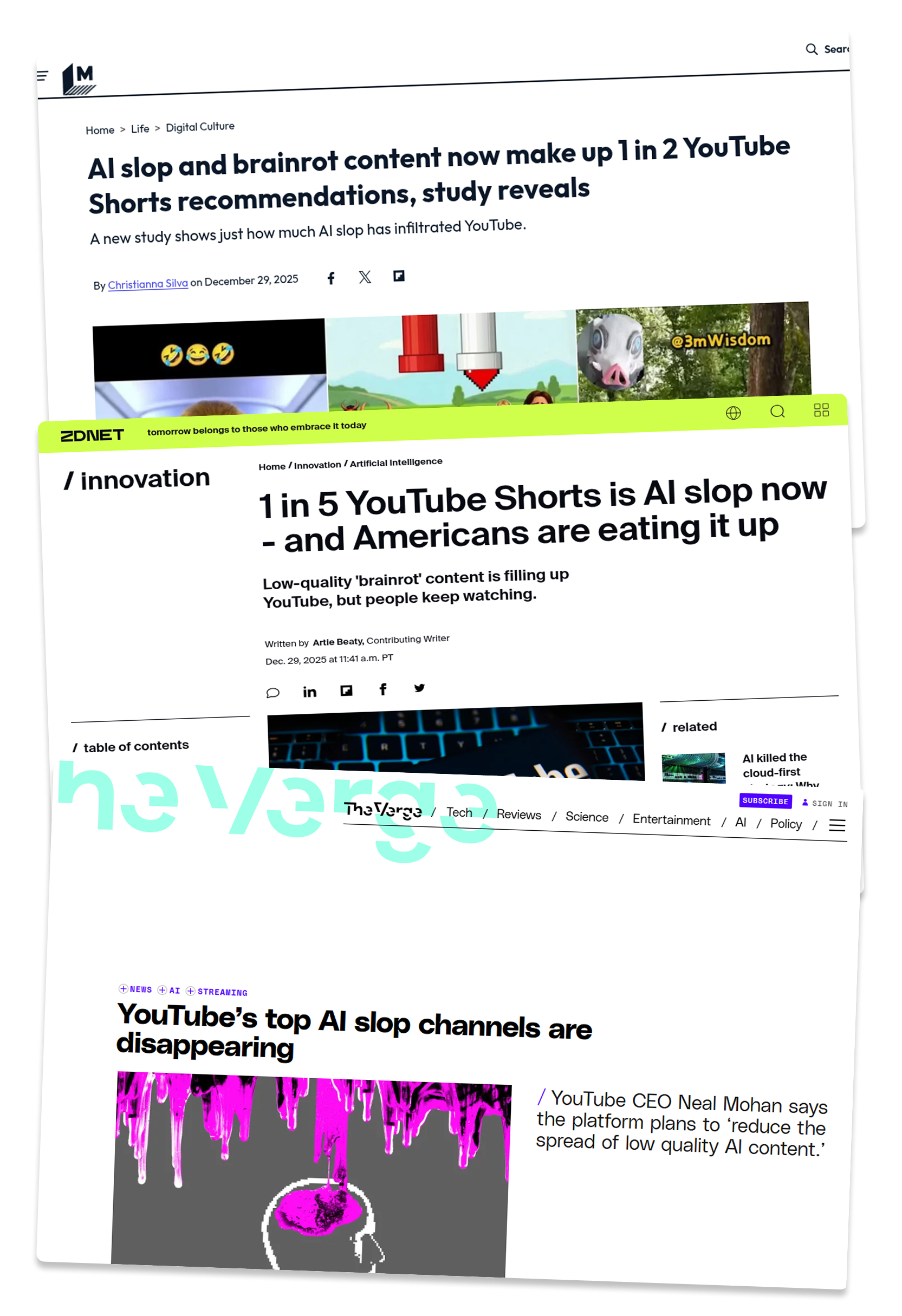
The Guardian, BBC, The Verge, ZDNET, Forbes, WIRED
Big Wins


The cherry on top
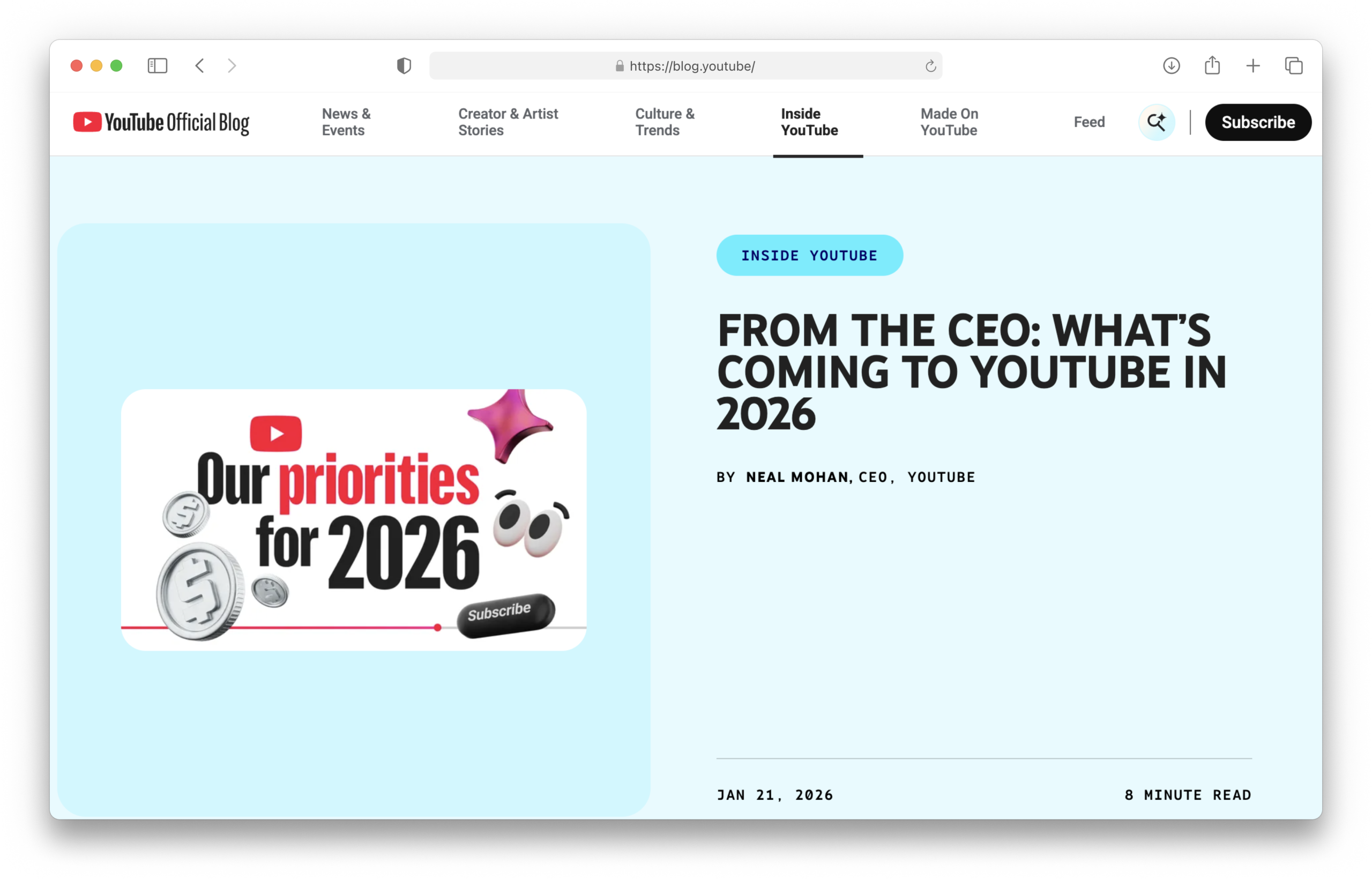
A couple of weeks after the study attracted international coverage, YouTube CEO Neal Mohan used his annual letter to commit to combatting the spread of AI slop on the platform.
Our team then reevaluated the original dataset, revealing that 16 of the top 100 most subscribed AI slop channels according to Kapwing's report had either been deleted or had their content removed. We like to think that our study played a role in this real-life positive change.
The campaign assets
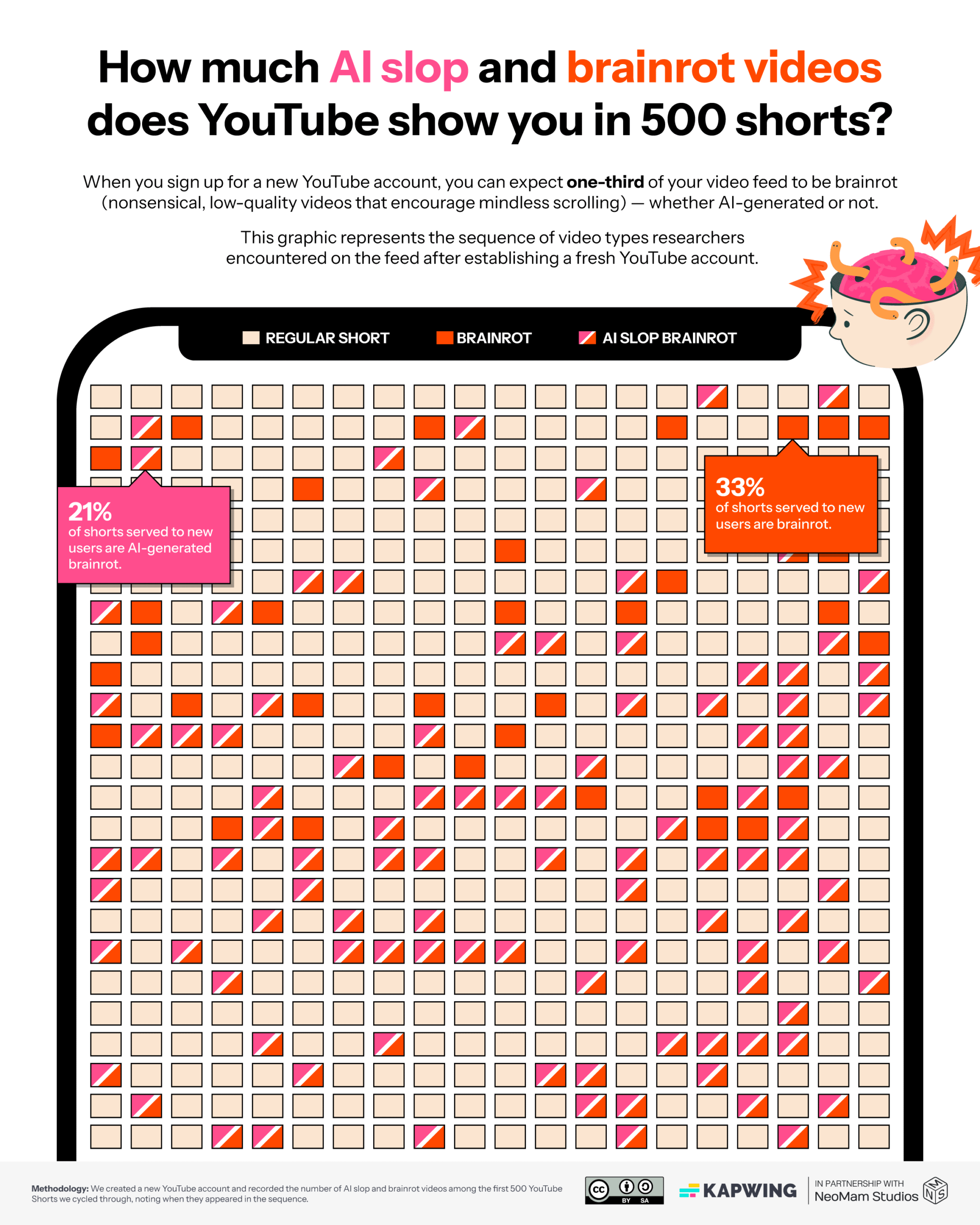
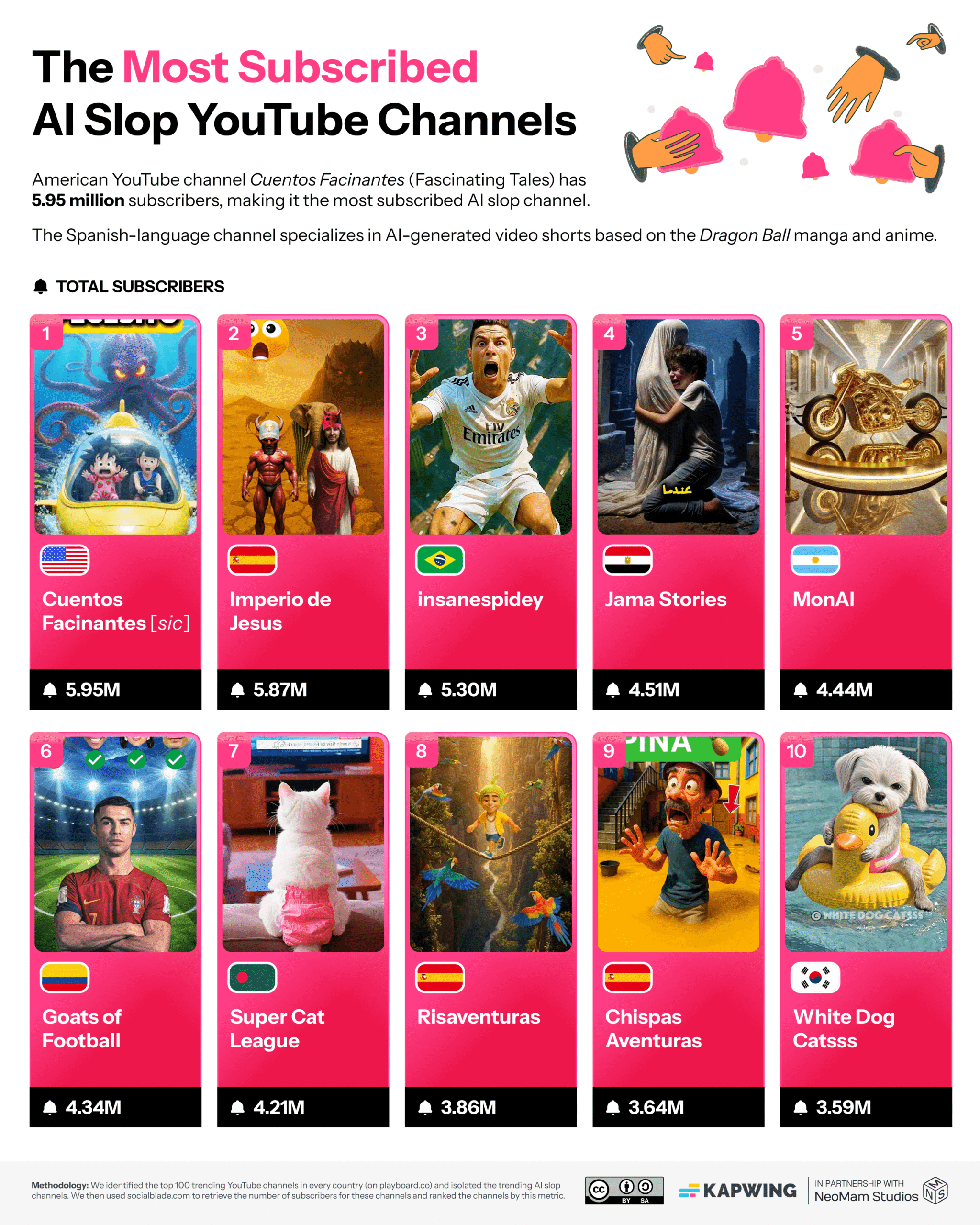
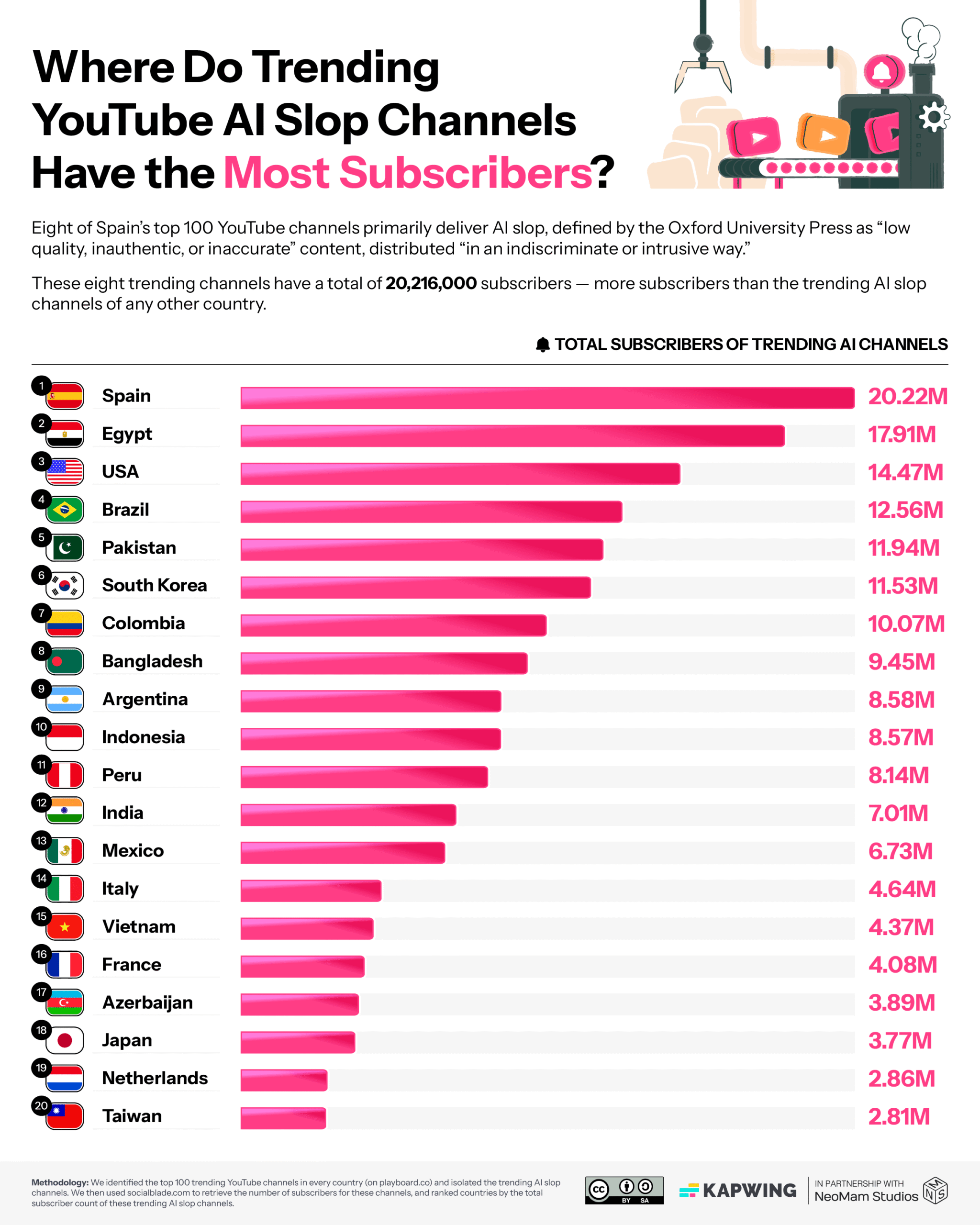
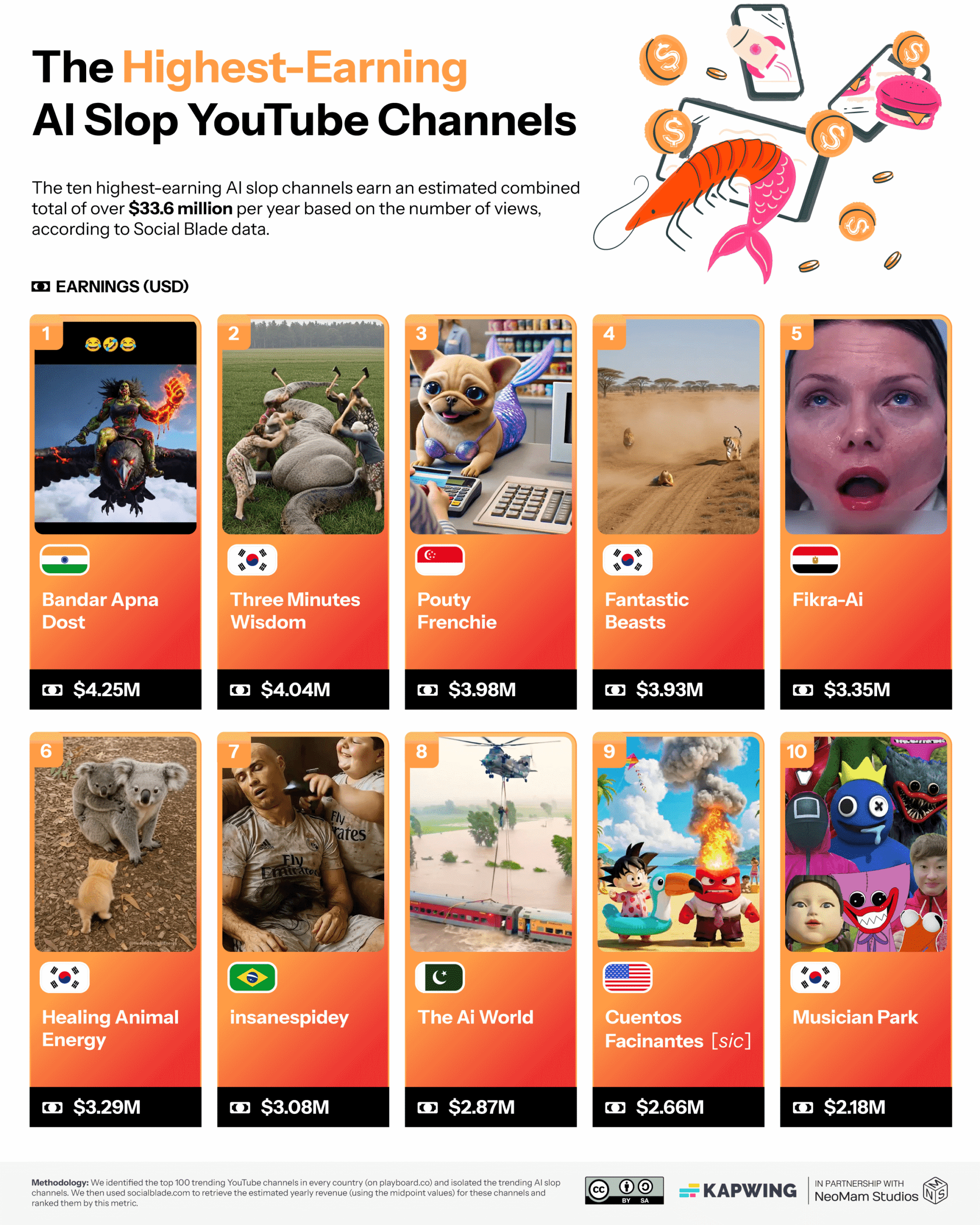

“More than 20% of the videos that YouTube’s algorithm shows to new users are “AI slop” – low-quality AI-generated content designed to farm views, research has found.
The video-editing company Kapwing surveyed 15,000 of the world’s most popular YouTube channels – the top 100 in every country – and found that 278 of them contain only AI slop.”

Aisha Down
The Guardian