Identifying the apps that respect your privacy for a VPN service
What we did

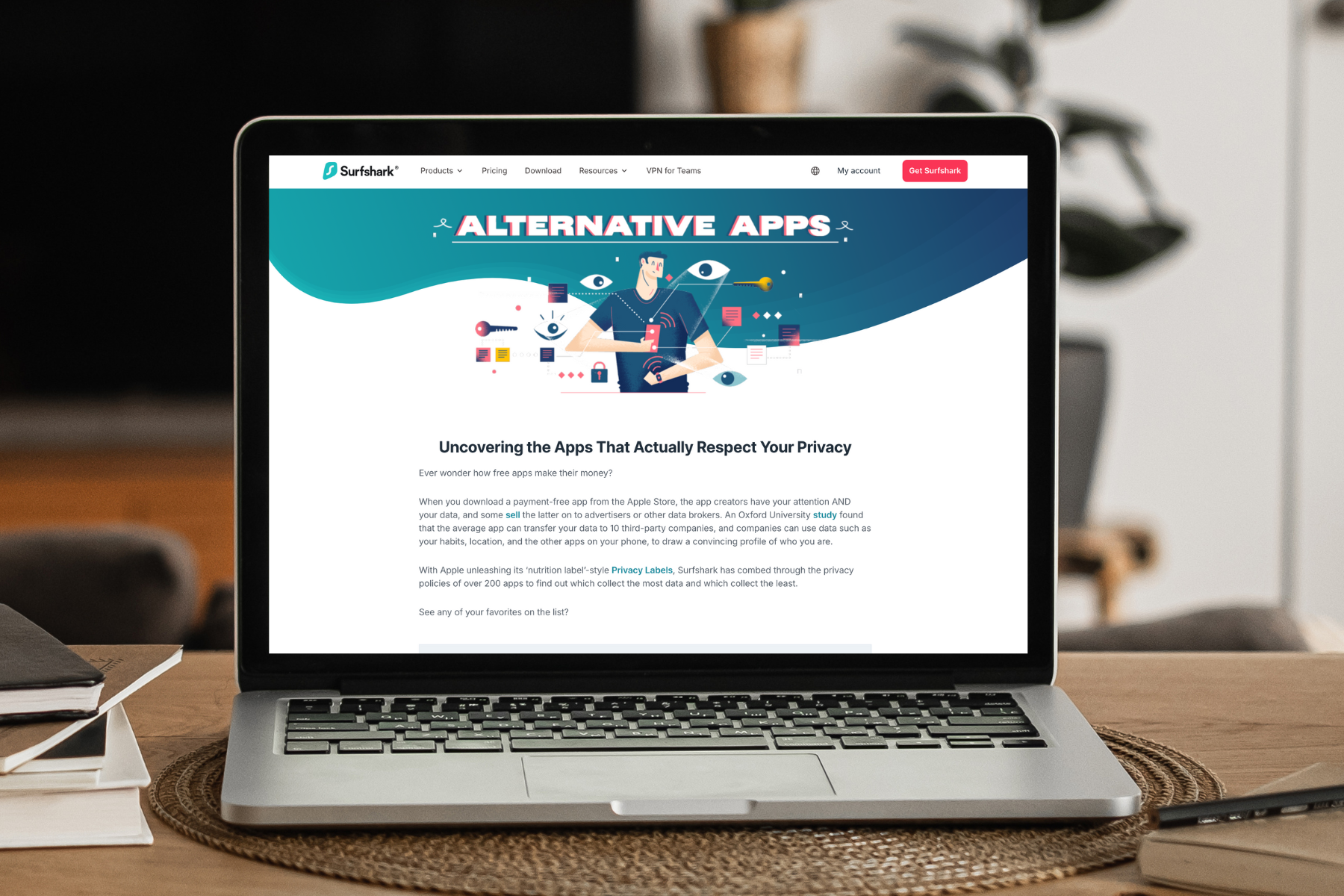
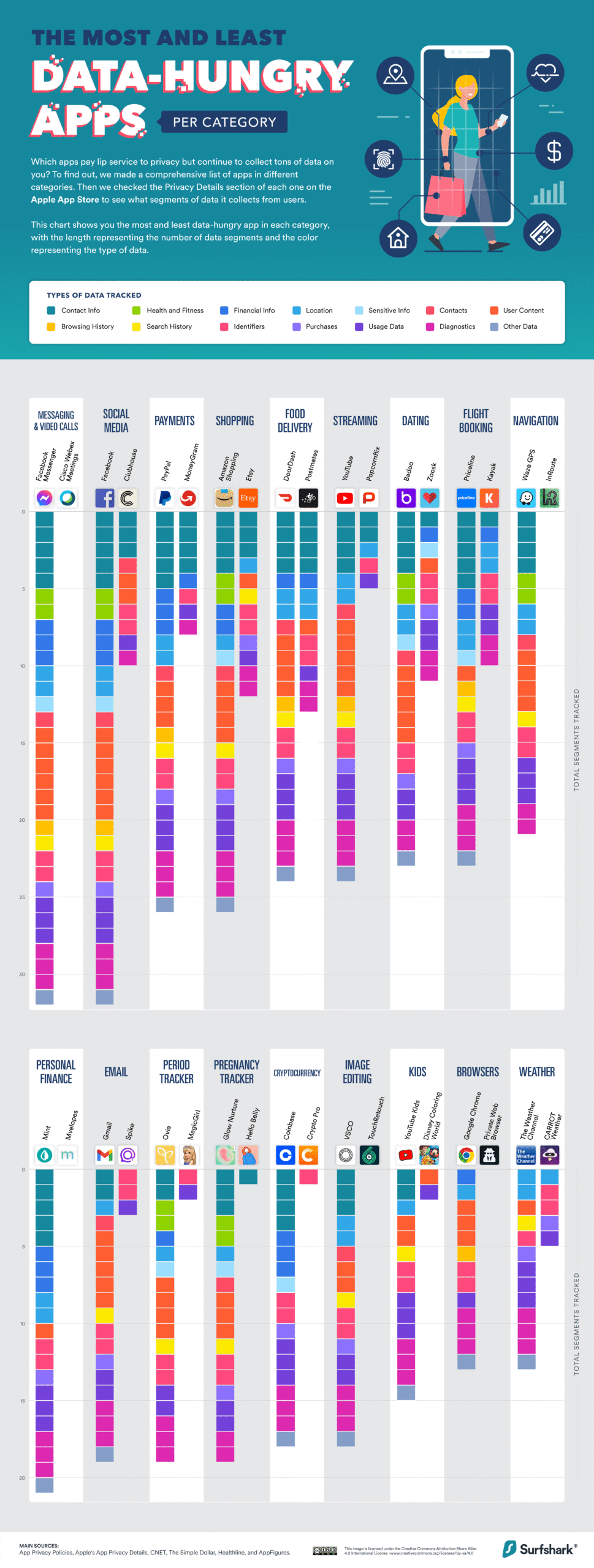
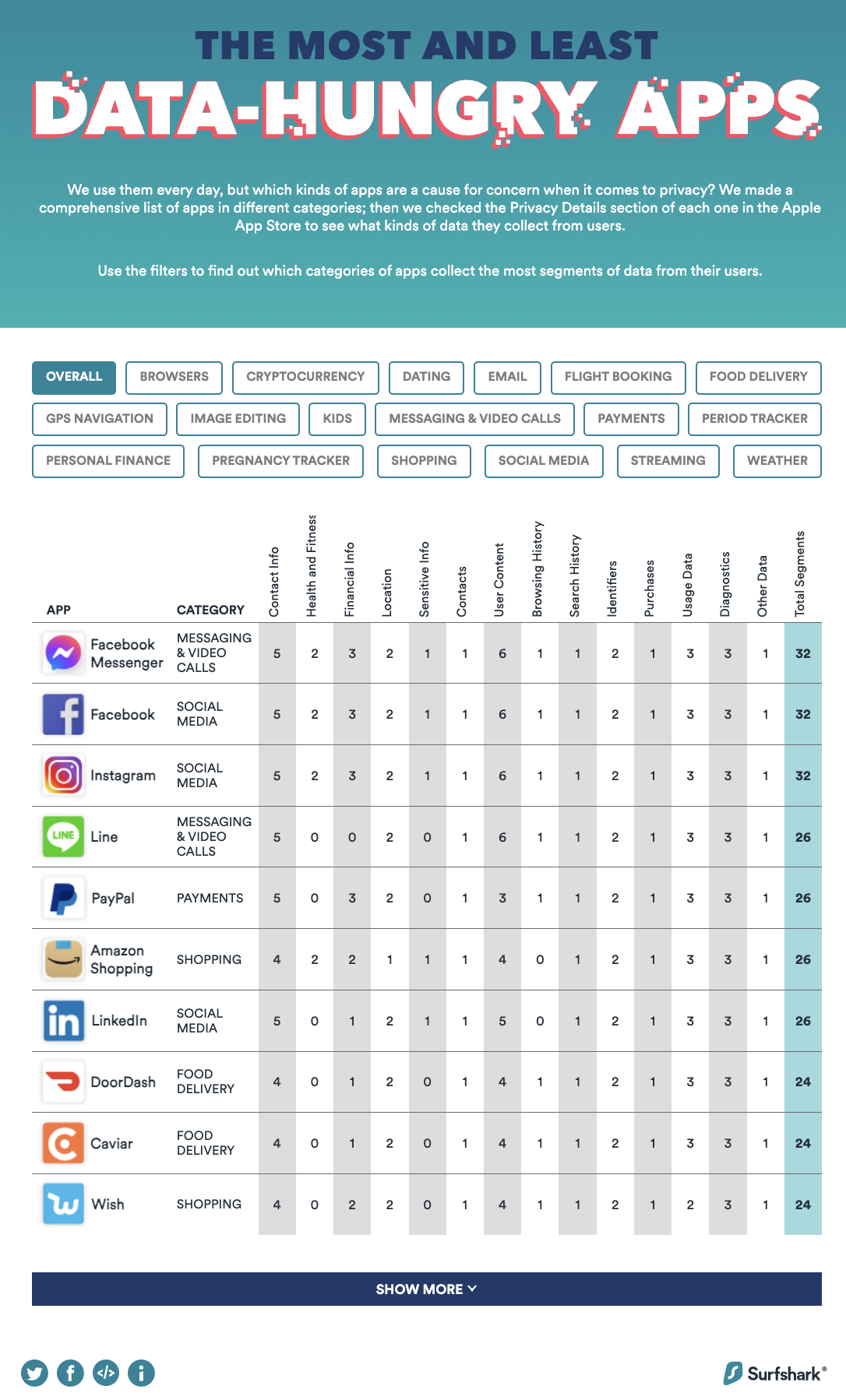
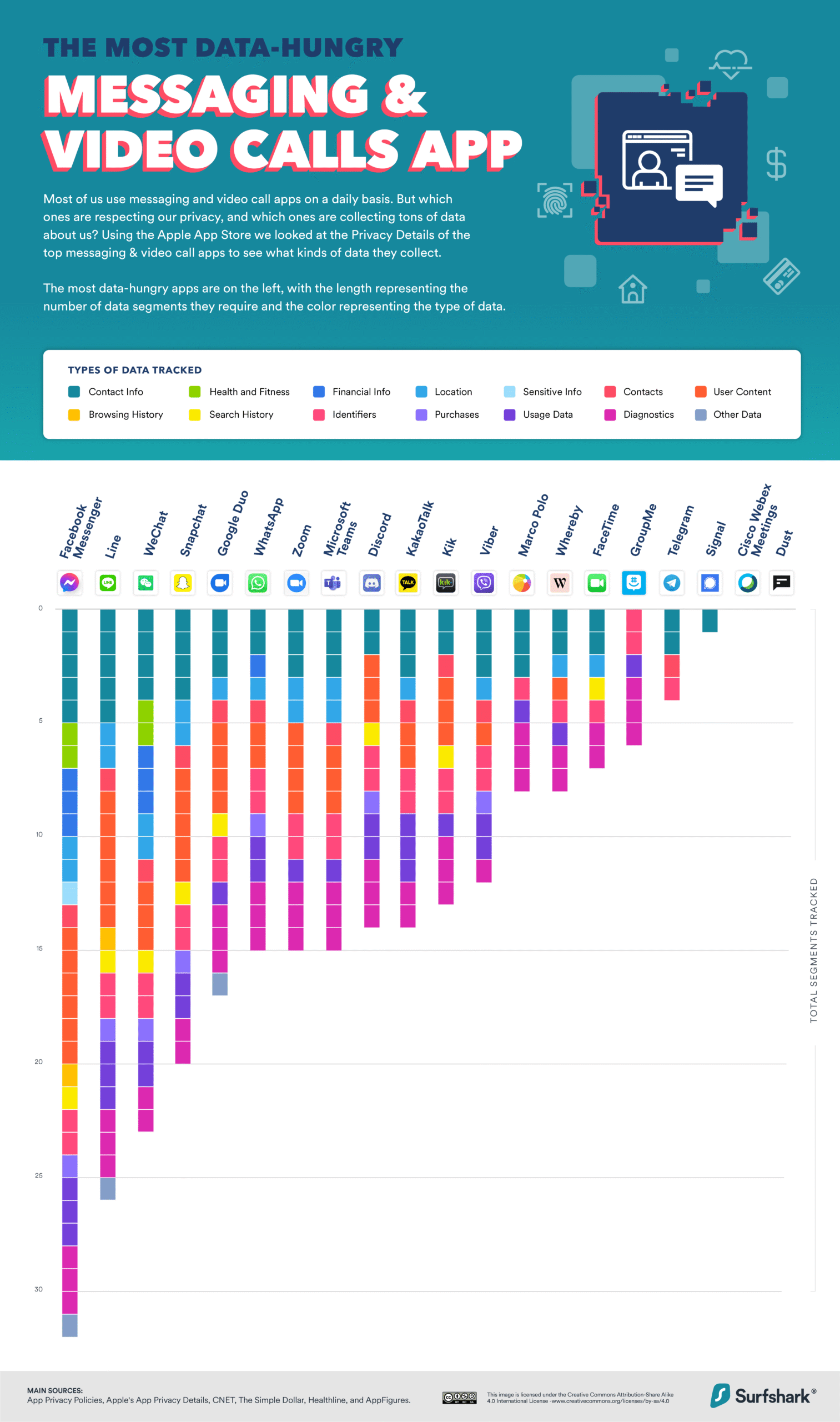
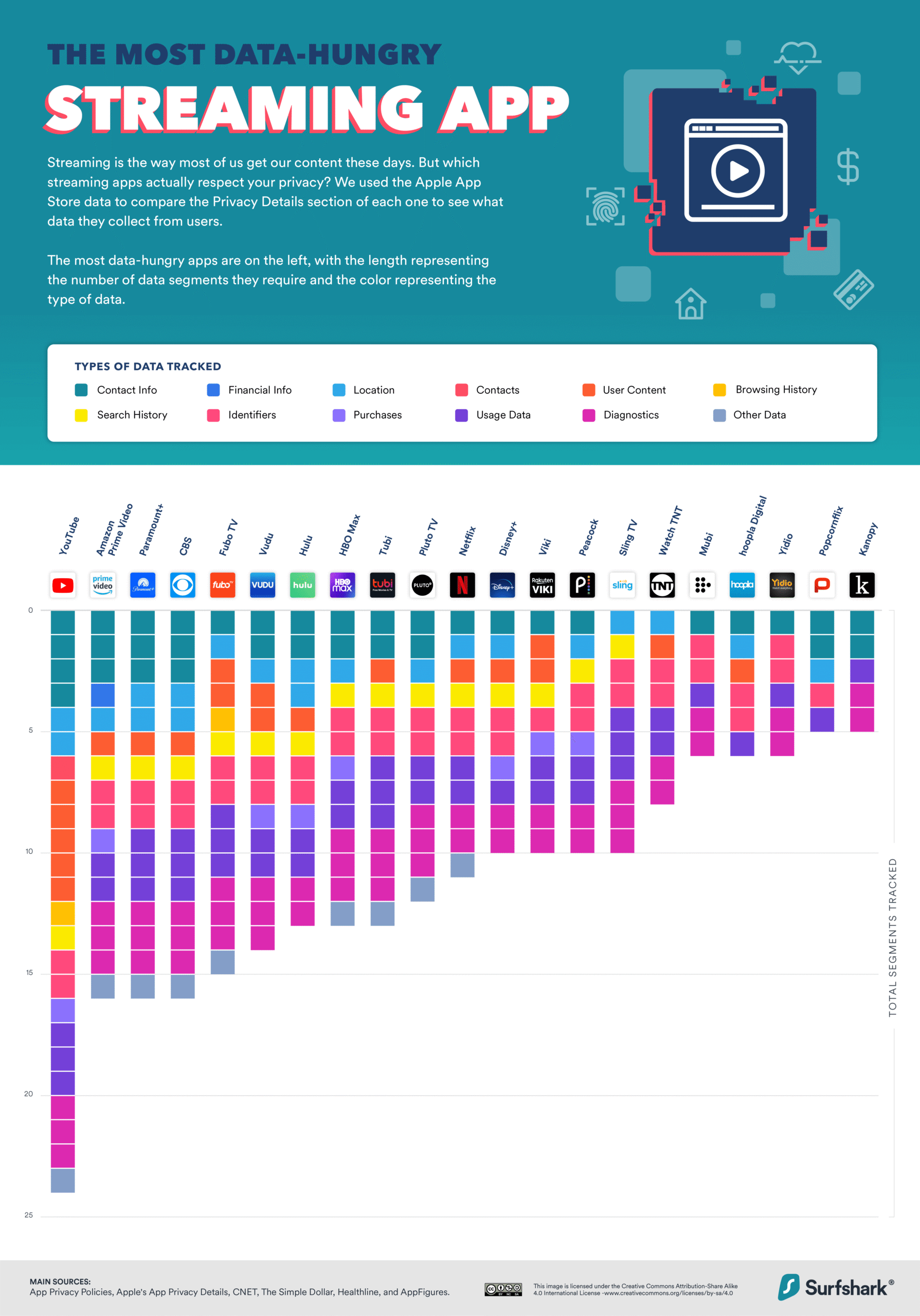
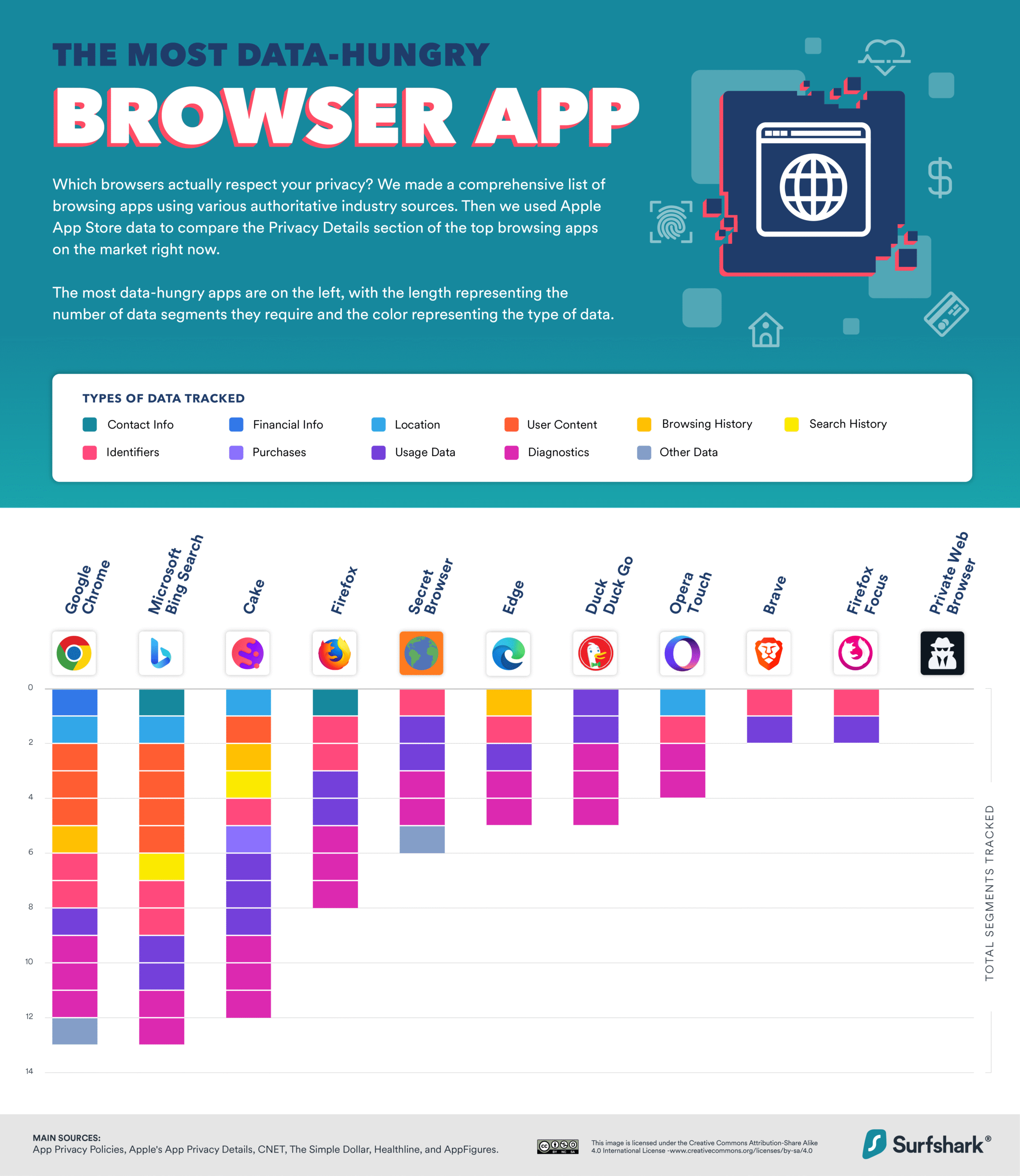
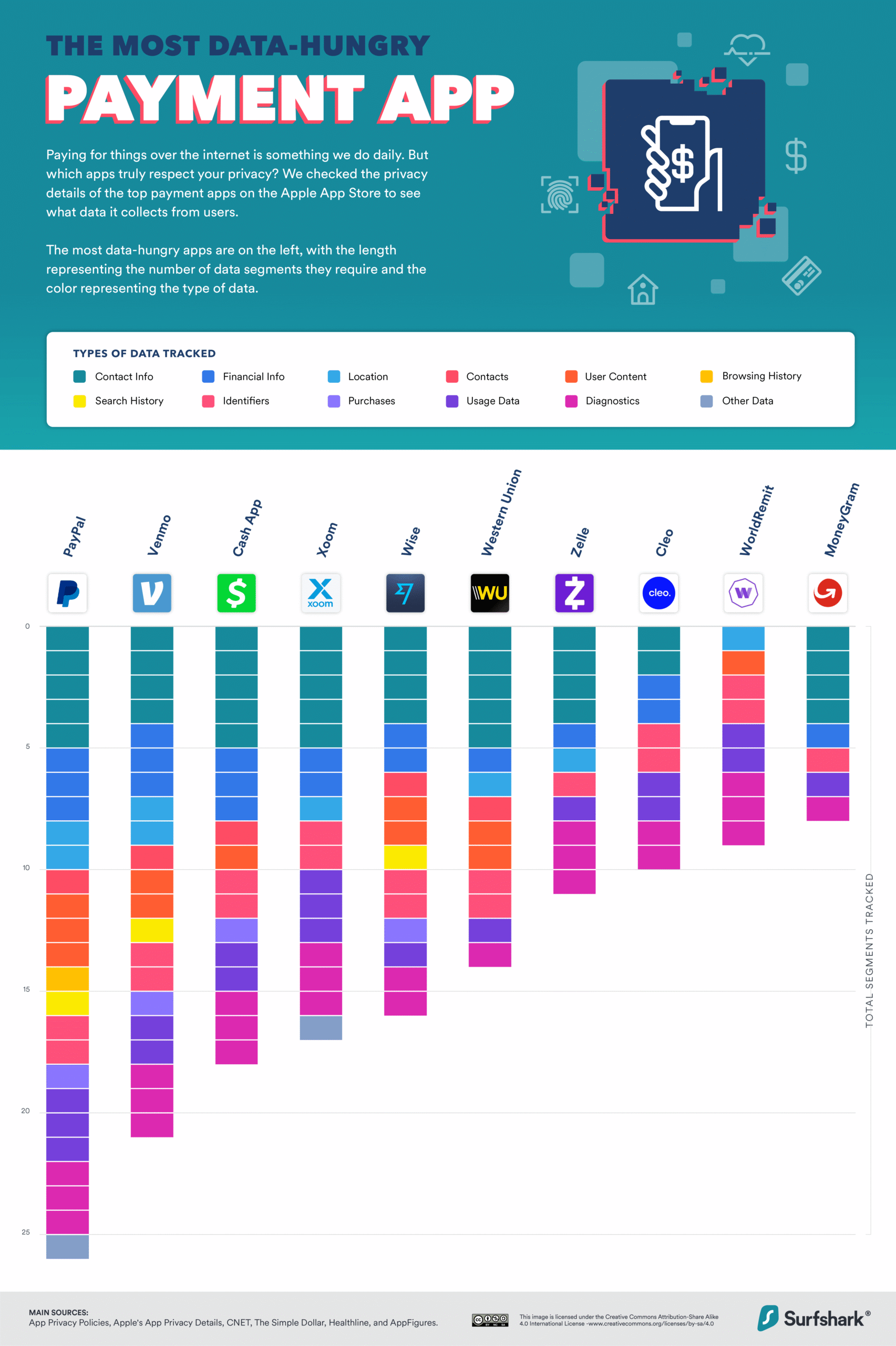
For a client in the cybersecurity and privacy space, we combed through the privacy policies of over 200 apps to find out which collect the most data and which collect the least.
How we did it
STEP 1: Seed list building
We compiled a comprehensive list of apps across a variety of categories using sources including tech publications such as CNET, personal finance sites such as The Simple Dollar, health information sites like Healthline, and app popularity ratings on AppFigures.
STEP 2: Data collection
We manually reviewed the Privacy Details section of all apps on the Apple App Store and noted the data segments each app collects from users.
STEP 3: Data analysis
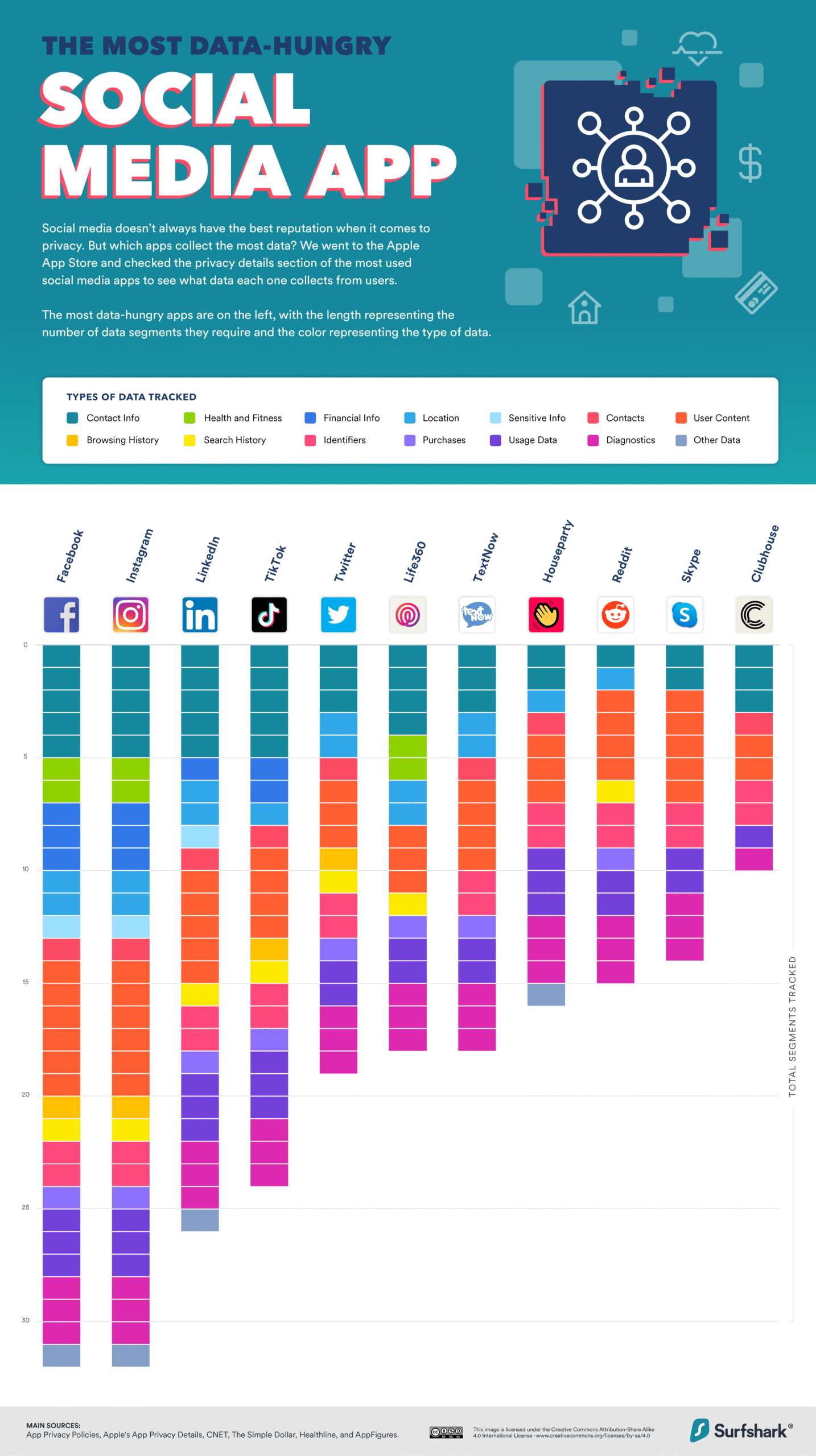
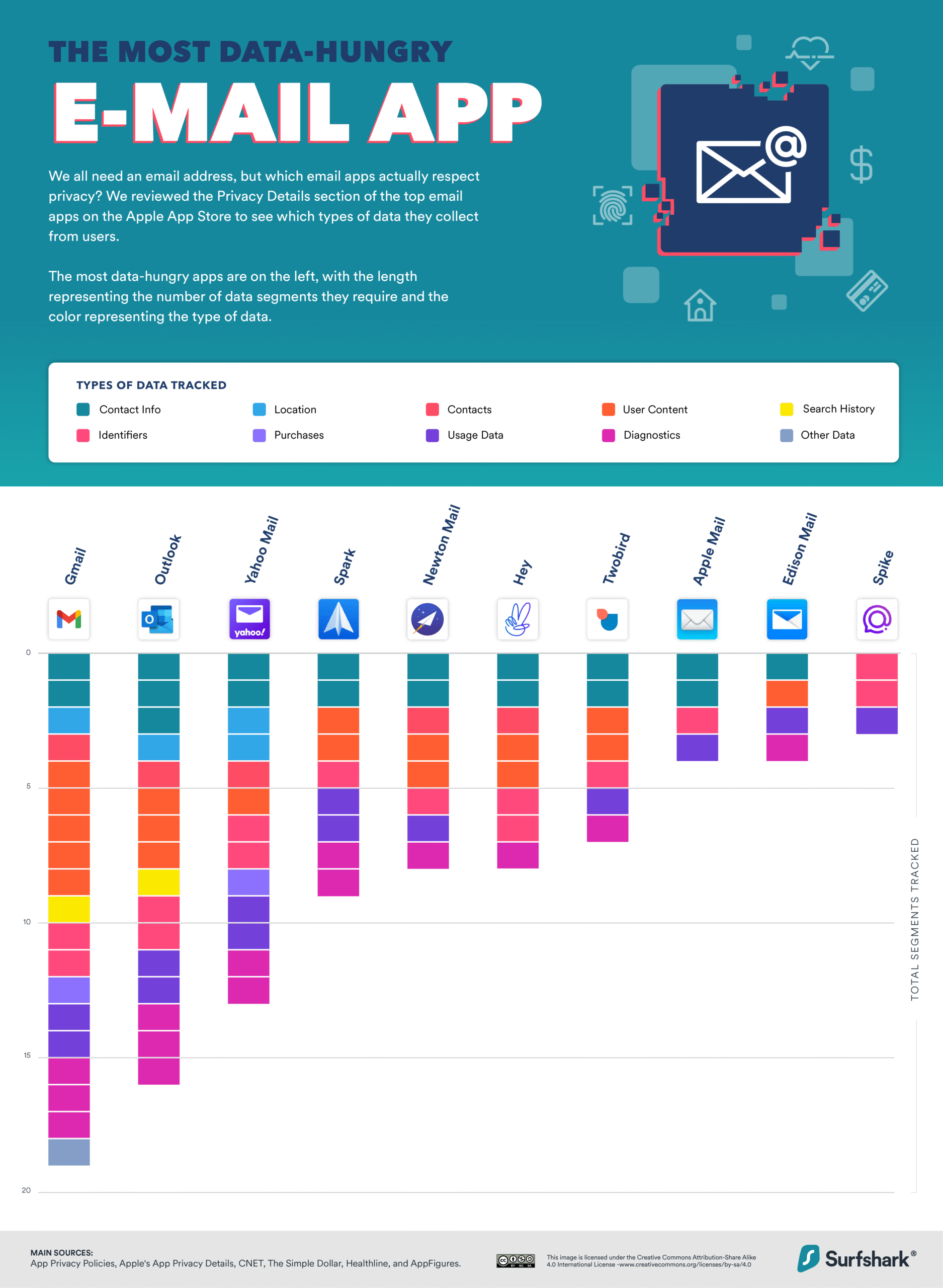
We color-coded the segments by data type, including location, financing information, personal identifiers, and search history.
STEP 4: App ranking
We determined the most and least data-hungry apps, based on the total count of data segments we collected by each app.
The results

86
Unique Referring Domains

56
Average Domain Rating

PCMag, Laptop Magazine, PhoneArena
Big Wins
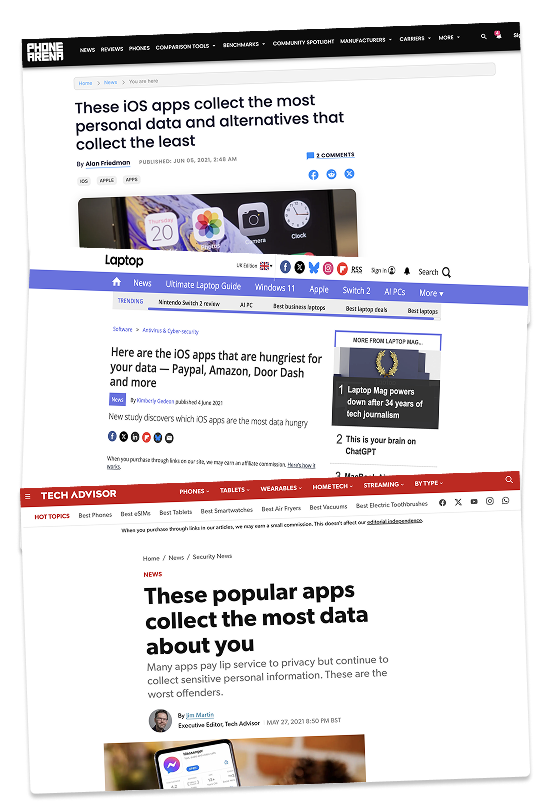
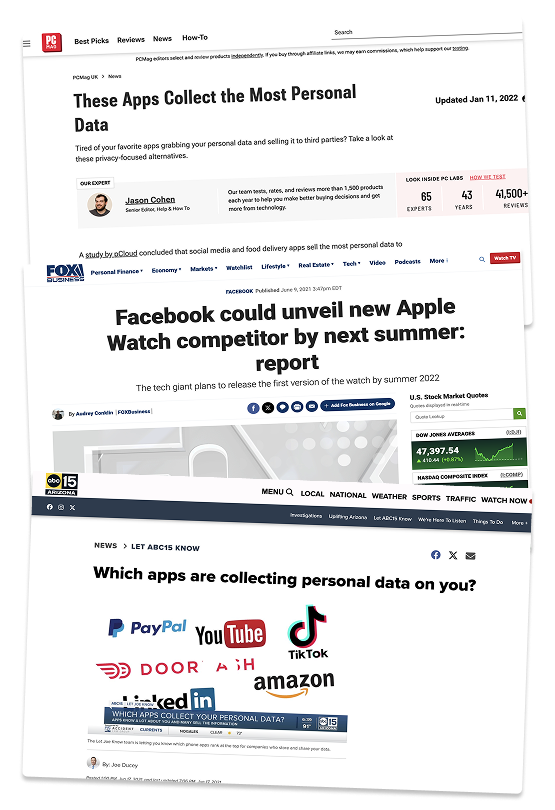
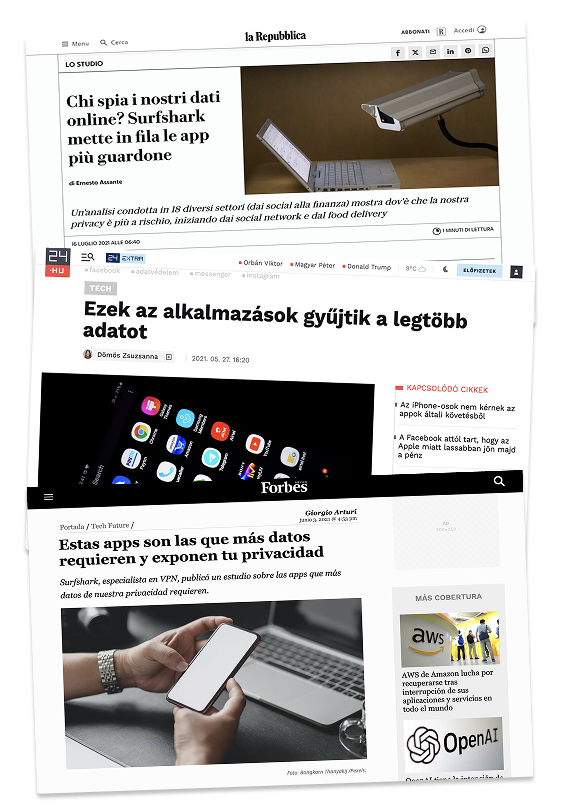

The cherry on top
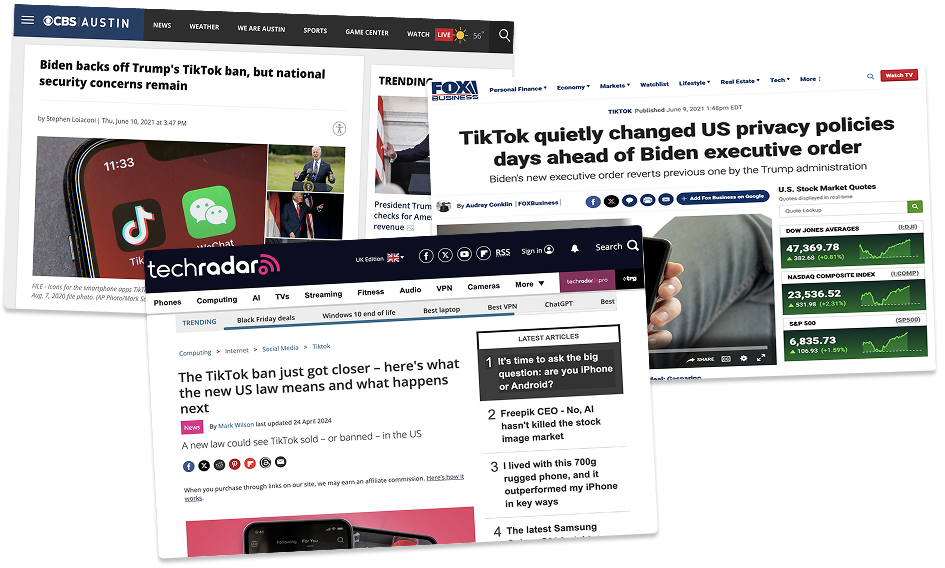
Many years after publishing this report, the findings continue to be shared and referenced by reporters when apps that ranked in the 'most data hungry' category hit the headlines.
The campaign assets
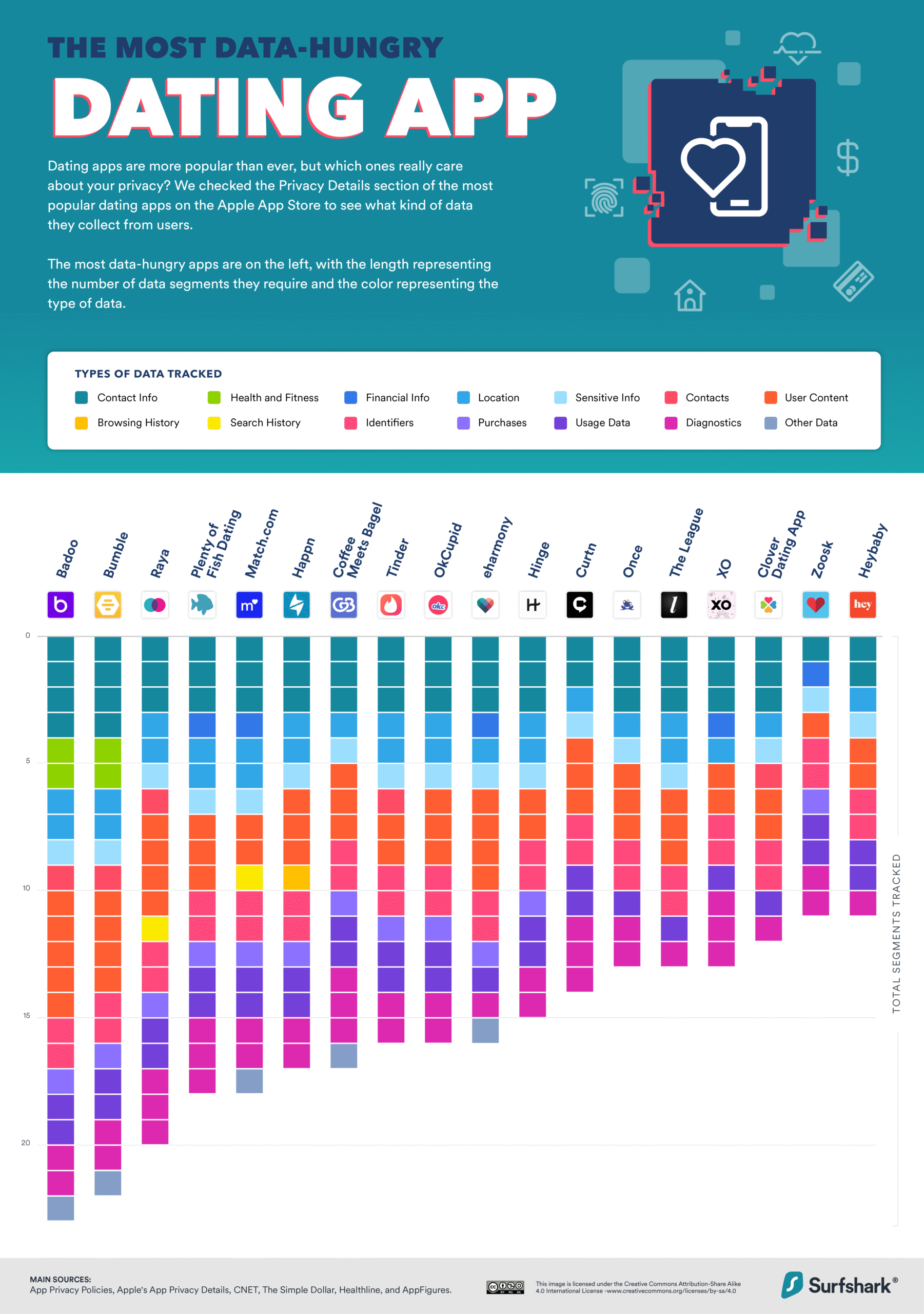
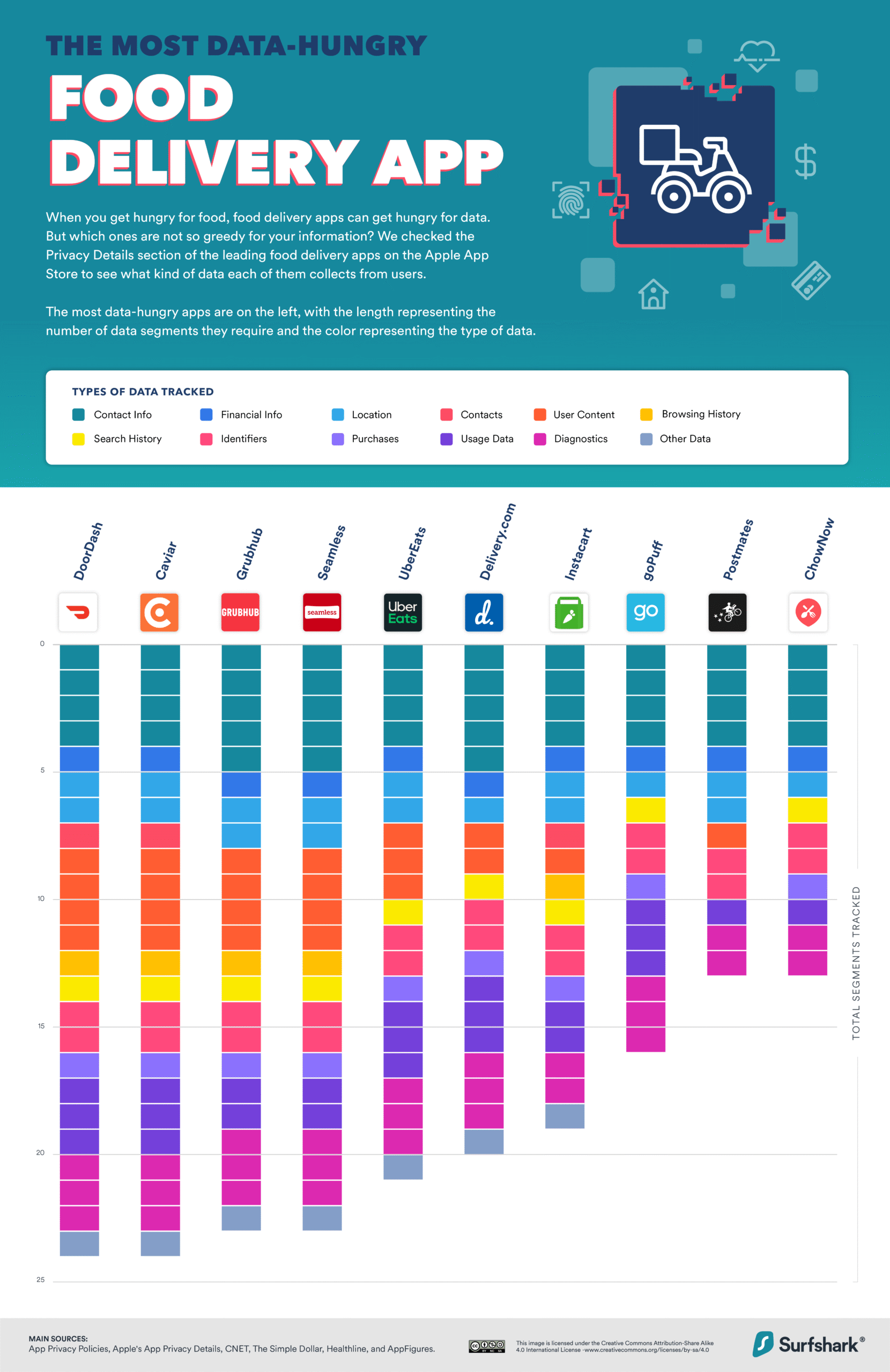

“When you install a free app on your phone, especially if it’s from a big brand, you expect it to respect your privacy and not collect personal information and track your activity.
But as anyone who has watched The Social Dilemma on Netflix will understand, data is currency for these companies. It’s how they make money from you, while allowing you to use their services for free.
VPN service Surfshark ran a fine-toothed comb over 200 popular apps and ranked them according to which ask for the most data, and which require the least.”

Jim Martin
Tech Advisor